Cataracts: Symptoms, Causes, and Modern Treatment Options
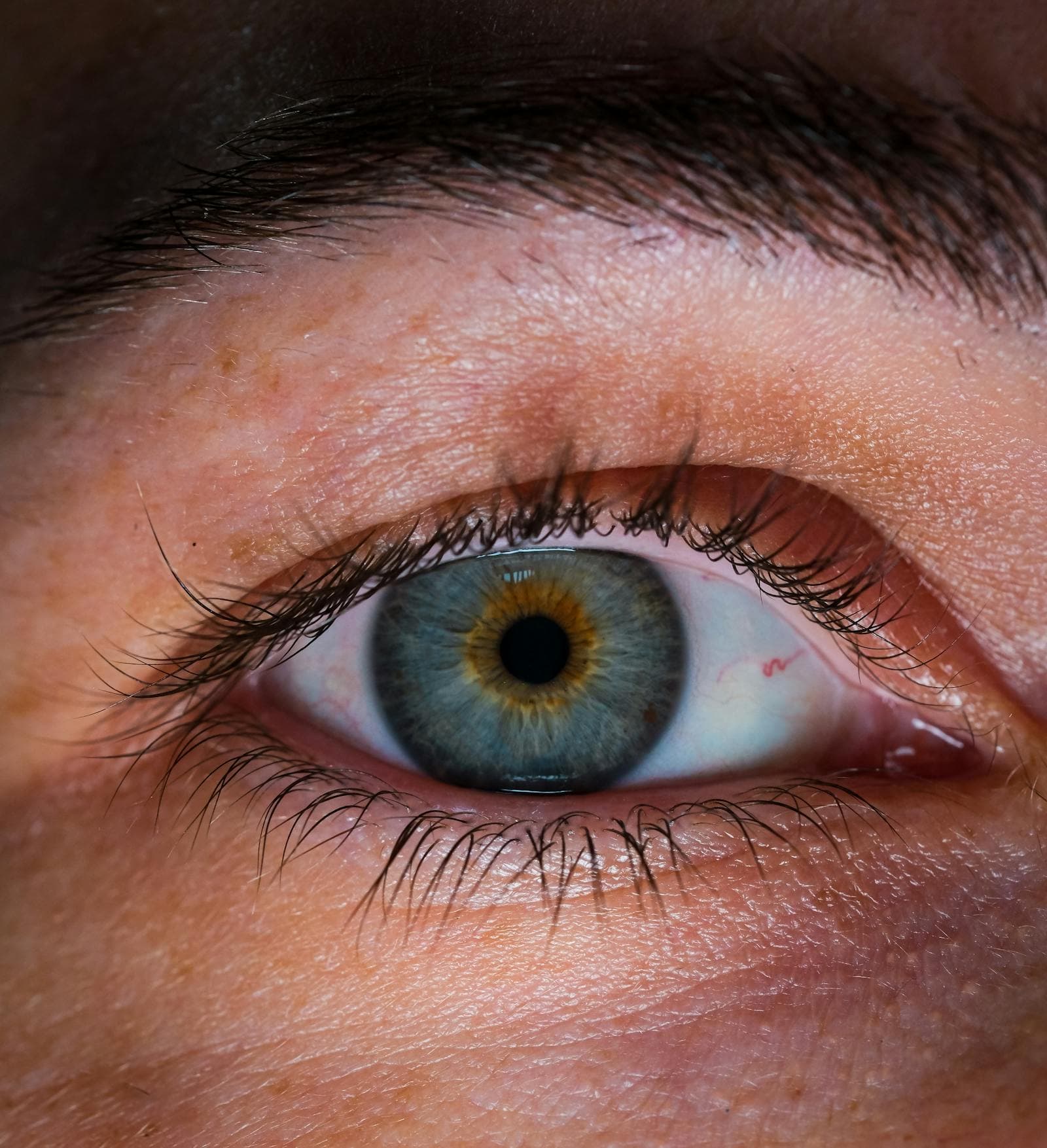
A cataract is a clouding of the eye's natural lens that normally focuses light onto the retina. Cataracts develop slowly over years and are the leading cause of reversible vision loss worldwide. The good news is that modern cataract surgery is one of the safest and most successful procedures performed today.
What Causes Cataracts?
Ageing is the most common cause. The proteins in the lens gradually clump together, clouding it over time. By age 65, about half of people have some cataract development, and by 75 nearly all do.
Diabetes causes cataracts to develop earlier and progress faster. UV light exposure accelerates cataract formation, which is why sunglasses matter. Smoking significantly increases risk. Long-term steroid use is a known risk factor. Eye trauma can cause cataracts immediately or years later. Congenital cataracts are present at birth and require urgent evaluation in newborns.
Recognising Cataract Symptoms
Cataracts develop painlessly and gradually. Early symptoms include blurring that isn't fully corrected by new glasses, increased glare sensitivity especially when driving at night, halos around lights, faded or yellowed colours, and needing brighter light to read.
As cataracts mature, symptoms worsen. Double vision in one eye may occur. Second sight phenomenon — briefly improved reading vision — can develop just before cataracts become severe. Daily activities become increasingly difficult.
Diagnosis
A comprehensive eye exam diagnoses cataracts. The slit-lamp microscope allows detailed evaluation of lens changes. Visual acuity testing measures functional vision loss. Glare testing simulates real-world challenges. Biometry measurements are needed for surgical planning.
When Is Surgery Needed?
Cataract surgery is recommended when the cataract significantly interferes with daily activities. There is no particular vision level that requires surgery — it depends on your lifestyle needs. Someone who drives professionally may need surgery earlier than someone with similar cataracts who doesn't drive.
Modern Cataract Surgery
Phacoemulsification is the standard technique. A small incision (2 to 3mm) is made in the cornea. Ultrasound energy breaks up the cataract, and the fragments are removed through the incision. A folded intraocular lens (IOL) is inserted and unfolds inside the eye. The incision usually requires no stitches.
The procedure takes about 15 to 20 minutes per eye. Topical anesthesia (drops only) is used in most cases. Patients typically go home the same day.
Lens Options
Monofocal IOLs provide clear distance vision but require reading glasses. They are the most commonly used. Multifocal or trifocal IOLs provide distance, intermediate, and near vision but may cause glare or halos. Toric IOLs correct astigmatism. Extended depth of focus (EDOF) IOLs provide a continuous range of vision.
Your ophthalmologist helps you choose the best IOL based on your lifestyle, eye measurements, and preferences.
Recovery
Vision improves within days of surgery. Most patients achieve their best vision within 4 to 6 weeks. Eye drops are used for 4 to 6 weeks to prevent infection and inflammation. Heavy lifting and swimming are restricted for 2 weeks. The second eye is usually operated on 2 to 4 weeks after the first.
Second Opinions at Kenz Eye Care
If you have been told you need cataract surgery, we offer independent second opinion consultations. We help you understand your options, the realistic outcomes, and whether surgery timing is appropriate. Call 93927 01759 to book.
Concerned About Your Eyes?
Book a comprehensive eye exam at Kenz Eye Care, Kokapet. Early detection makes all the difference.